Descrizione
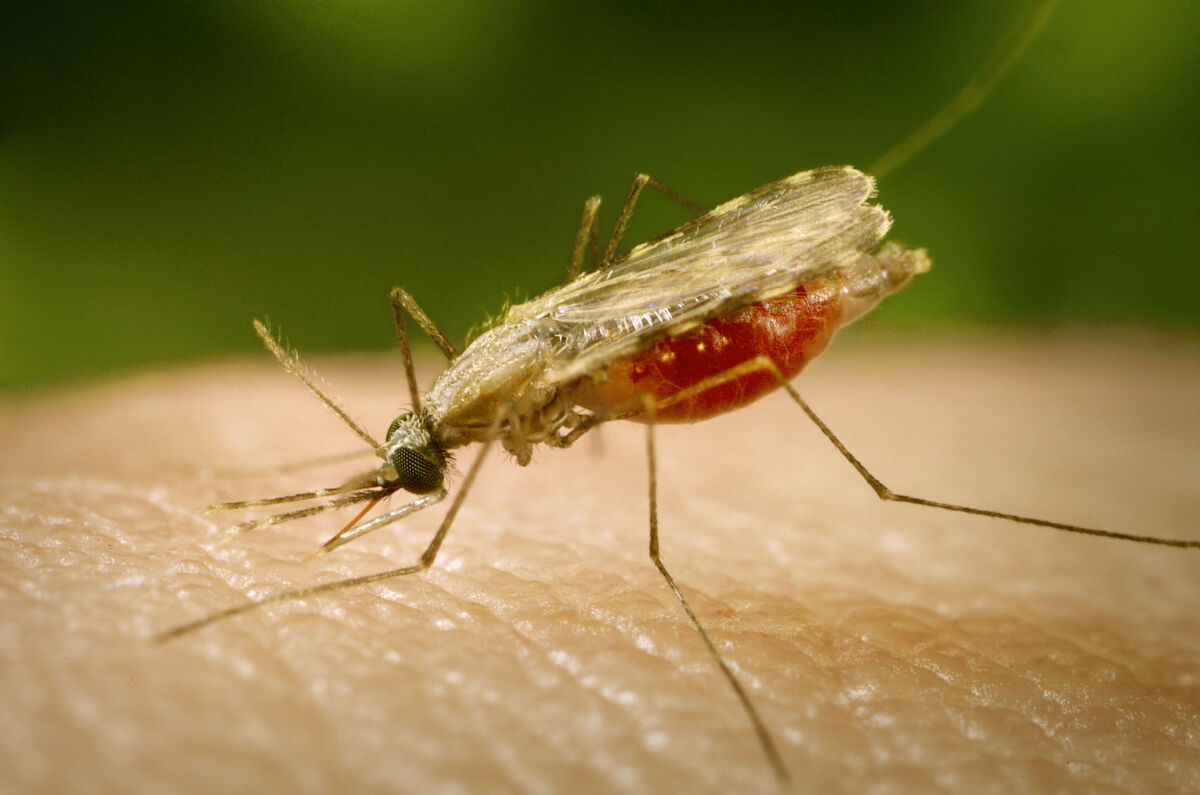
This important discovery, the result of joint research between the Istituto Superiore di Sanità, the Istituto Zooprofilattico Sperimentale della Puglia e Basilicata and the Azienda Sanitaria Nazionale (ASL) of Lecce, was published in the journal Parasites and Vectors, causing some concern in public opinion for a possible return of malaria.
The discovery of An. sacharovi should not, however, cause alarm for a possible return of malaria in Italy as the socio-economic and hygienic-sanitary conditions of our country are certainly very different from those of the past. Furthermore, a specific Ministerial Circular gives clear indications for the constant surveillance of human cases of imported malaria and establishes the interventions to be implemented in the territory in the presence of presumed autochthonous cases.
The discovery is certainly relevant from a scientific and health point of view because, after the reclamation works and the anti-malarial campaign after the Second World War, this mosquito was thought to have disappeared from our territory. On the other hand, it appears clear that entomological surveillance is extremely important and necessary to prevent the risk of reintroduction of this disease in our country. In fact, this research, funded by the Ministry of Health and recently also by PNRR funds, has been underway in Puglia and Basilicata since 2018, in some areas historically endemic for malaria. Up until now, only Anopheles labranchiae had been identified, already reported in other Italian regions and found in Gargano and Metaponto, and Anopheles superpictus, considered a secondary vector, present in limited areas of Basilicata. In both cases, however, their densities do not appear to be epidemiologically relevant.
At the end of 2022, the discovery in a rural area of Lecce of a single adult specimen, molecularly identified as Anopheles sacharovi, gave rise, the following year, to an entomological investigation aimed at confirming its presence and searching for larval outbreaks. Larvae of this species have been found in natural and protected areas, with low or no human impact; this suggests its residual presence even in past decades and a possible slow repopulation, favored by the lower pressure of human activities and the absence of pesticide treatments for agricultural use, as well as favorable climatic factors.
The discovery of this mosquito confirms, once again, the need to maintain high attention and strengthen all prevention measures, in addition to entomological monitoring for the surveillance of "residual anophelism", as is already being done for other mosquito-borne diseases, such as Dengue or West Nile, with the National Surveillance Plan for Arboviruses.